Selecting the right patio contractor determines whether your outdoor living project becomes a source of pride and enjoyment or an expensive disappointment. A skilled patio installation and remodeling contractor transforms your backyard vision into reality through quality craftsmanship, transparent communication, and professional expertise. The wrong contractor choice leads to construction delays, cost overruns, substandard work, and the frustration of fixing problems that should never have occurred.
The patio construction market includes contractors ranging from highly experienced specialists who've built hundreds of outdoor structures to general handymen lacking proper licensing, insurance, or specialized knowledge. This wide variation in expertise, professionalism, and business practices makes contractor selection both critically important and potentially confusing for homeowners planning patio projects.
At Tivey Construction, we've spent over 30 years building custom outdoor living spaces throughout Northeast Florida. Our experience as a licensed general contractor has taught us what separates exceptional patio contractors from mediocre ones, which credentials actually matter versus empty marketing claims, and how homeowners can protect themselves while ensuring their projects succeed. This comprehensive guide explains what to look for in patio installation and remodeling contractors, helping you make informed decisions that lead to beautiful, durable outdoor spaces you'll enjoy for decades.
Essential Credentials and Licensing Requirements
Professional credentials establish the baseline for contractor competency and provide homeowners with important consumer protections.
Understanding Contractor Licensing
Florida requires contractors performing patio construction to hold appropriate licenses based on project scope and value. Certified General Contractors (CGC) like Tivey Construction (license #CGC1511598) can perform any construction project including all types of patio work. Certified Building Contractors (CBC) also qualify for patio construction under their licensure.
Some patio projects fall under specialty contractor licenses depending on materials and construction methods. However, comprehensive patio installations involving structural elements, electrical work, or permanent roofing typically require CGC or CBC licensing to ensure contractors possess necessary construction knowledge.
License verification protects homeowners from unlicensed operators who lack required training, insurance, and bonding. Florida's Department of Business and Professional Regulation maintains online databases where you can verify any contractor's license status, check disciplinary history, and confirm insurance compliance. Never accept a contractor's word about licensing—always verify independently through official channels.
Licensed contractors must meet continuing education requirements, maintain adequate insurance, and comply with state regulations governing construction practices. These requirements ensure contractors stay current with building codes, safety standards, and industry best practices. When disputes arise, licensing provides recourse through state disciplinary processes unavailable with unlicensed contractors.
Insurance and Bonding Protection
Comprehensive insurance coverage protects both contractors and homeowners from financial liability during construction. General liability insurance covers property damage and injuries occurring during patio installation, while workers' compensation insurance protects contractors' employees and shields homeowners from liability if workers are injured on your property.
Request certificate of insurance copies directly from contractors' insurance companies rather than accepting contractor-provided documents that could be outdated or falsified. Certificates should name you as additional insured and show coverage limits adequate for your project size. Most patio projects warrant at least $1 million in general liability coverage.
Bonding provides additional financial protection guaranteeing project completion or compensating homeowners if contractors fail to meet contractual obligations. While Florida doesn't mandate bonding for all contractors, many quality contractors maintain bonds voluntarily as evidence of financial stability and professional commitment.
Verify that insurance and bonding remain active throughout your project. Some contractors let coverage lapse during slow periods or carry minimal coverage barely meeting legal requirements. Adequate insurance and bonding demonstrate professional operation and financial responsibility.
Manufacturer Certifications and Training
Specialized patio products often require specific installation training and certifications. Renaissance Patio products, for example, demand proper training in their engineered aluminum systems to ensure correct installation and warranty compliance. Contractors certified by manufacturers demonstrate commitment to proper installation techniques and product knowledge.
Manufacturer certifications indicate contractors have invested in specialized training beyond basic construction knowledge. These programs teach product-specific installation methods, connection details, and best practices ensuring optimal performance and longevity. When considering patio systems from specific manufacturers, ask contractors about relevant certifications and training.
At Tivey Construction, our experience installing Renaissance Patio products ensures we understand the engineering behind these sophisticated aluminum systems. Proper installation requires knowledge of connection methods, structural requirements, and finishing techniques that separate adequate installations from exceptional ones.
Evaluating Experience and Specialization
Beyond basic credentials, contractor experience and specialization significantly impact project outcomes and satisfaction.
Years in the Patio Business
Longevity in patio construction signals consistent quality and customer satisfaction. Contractors building patios for 10, 20, or 30 years have developed expertise through hundreds of projects, learning from successes and occasional challenges. Experience breeds problem-solving skills that help contractors navigate unexpected site conditions, material availability issues, or design modifications.
Ask potential contractors how long they've specialized in patio construction specifically, not just general contracting. Some contractors jump between different construction specialties, lacking focused experience that benefits outdoor living projects. Patio specialists understand nuances of outdoor construction including drainage, material selection for weather exposure, and integration with existing landscapes and structures.
However, balance longevity with project volume. Contractors building 20-30 patios annually maintain crews experienced in patio-specific tasks and have established relationships with suppliers and specialty trades.
Excessive volume (50+ projects simultaneously) may indicate stretched resources leading to inadequate oversight and rushed work.
Portfolio Quality and Diversity
Request to see completed project portfolios demonstrating contractors' work quality and range. Quality portfolios include multiple projects showcasing different styles, materials, and complexity levels. Photos should clearly show finished projects with sufficient detail to evaluate craftsmanship, finishing quality, and design execution.
Pay attention to projects similar to your vision. Contractors experienced in your preferred patio type—whether Renaissance Patio aluminum systems, traditional wood pergolas, or custom masonry patios—bring relevant expertise to your project. While versatility matters, depth of experience in specific patio types often produces superior results.
Visit completed projects when possible. Photos only tell part of the story, while in-person inspection reveals craftsmanship quality, material durability after months or years of use, and how structures weather over time. Many homeowners welcome opportunities to show off their patios and share experiences with prospective patio owners.
Knowledge of Modern Patio Systems
The patio industry has evolved significantly with engineered systems offering advantages over traditional construction. Renaissance Patio products, for instance, provide hurricane-engineered aluminum construction resisting 175-mph winds while maintaining elegant aesthetics and requiring minimal maintenance. Contractors familiar with these modern systems can discuss their benefits and proper installation requirements.
Knowledge of various patio systems—from traditional wood structures to engineered aluminum products to retractable awning systems—allows contractors to recommend solutions best suited to your needs, budget, and property. Contractors pushing single solutions regardless of circumstances may lack versatility or have financial incentives favoring specific products over your best interests.
Ask contractors about their experience with different patio systems and materials. Quality contractors discuss pros and cons of various approaches, helping you make informed decisions rather than simply selling their preferred products.
Assessing Communication and Professionalism
Professional conduct and communication quality often prove as important as technical skills in determining project success and satisfaction.
Responsiveness and Availability
Initial interactions predict how contractors will communicate throughout your project. Contractors who respond promptly to inquiries, answer questions thoroughly, and maintain clear communication during the sales process typically continue these practices during construction.
Be cautious of contractors who are difficult to reach, slow to respond to questions, or vague about project details. Communication challenges during sales only worsen during construction when quick decisions and problem-solving become necessary.
Discuss communication expectations upfront. How often will contractors provide updates? What's the best method for reaching them with questions or concerns? Who will be your primary contact during construction? Clear communication protocols prevent frustration and ensure you stay informed throughout the project.
Detailed Proposals and Transparent Pricing
Professional contractors provide detailed written proposals specifying scope of work, materials with brand names and model numbers, project timeline, payment schedule, and warranty information. Vague estimates lacking specifics allow substitutions of cheaper alternatives or disputes about what's included versus considered extras.
Proposals should itemize major cost components allowing you to understand where your money goes. This transparency helps you evaluate value and identify opportunities to adjust scope if budget requires modification. Contractors resistant to detailed proposals may hide markup or plan to cut corners through inferior materials.
Compare proposals carefully, ensuring they specify identical scope, materials, and finishes for accurate cost comparison. The lowest bid doesn't necessarily deliver best value if it omits critical elements or substitutes inferior materials. Focus on overall value considering quality, completeness, and contractor reputation rather than price alone.
References and Customer Reviews
Every reputable contractor should willingly provide references from recent clients, preferably from projects completed within the past year and similar to your planned patio. When contacting references, ask specific questions about communication quality, adherence to timelines and budgets, how contractors handled unexpected issues, site cleanliness during construction, and whether they would hire the contractor again.
Online reviews on Google, Better Business Bureau, HomeAdvisor, and Houzz provide additional insight into contractor reputation. Look for patterns in reviews rather than focusing on individual complaints or praise. No contractor pleases everyone, but overall trends reveal consistent strengths or recurring problems.
Pay attention to how contractors respond to negative reviews. Professional responses addressing concerns and offering solutions demonstrate commitment to customer satisfaction. Defensive, dismissive, or hostile responses suggest poor customer service and unwillingness to take responsibility for problems.
Understanding Patio Project Planning and Management
How contractors approach planning and manage projects significantly impacts outcomes and your experience during construction.
Site Evaluation and Design Consultation
Quality patio contractors begin with thorough site evaluation examining drainage patterns, sun exposure, soil conditions, existing structures, and property boundaries. This evaluation informs design recommendations ensuring your patio functions well and complies with setback requirements and building codes.
Planning a patio addition or remodel requires understanding how new structures integrate with existing property features. Experienced contractors identify potential challenges early, discussing solutions before construction begins rather than discovering problems mid-project when corrections cost more.
Design consultation should feel collaborative rather than prescriptive. While contractors bring expertise and recommendations, the patio serves your needs and aesthetic preferences. Quality contractors listen to your vision, offer suggestions informed by experience, and work with you to refine designs balancing functionality, aesthetics, and budget.
Project Timeline and Scheduling
Realistic timeline estimates demonstrate contractors' understanding of patio construction phases and local permitting processes. While exact durations vary based on project complexity, weather, and permit approvals, experienced contractors provide reasonable timeframes based on historical project data.
Discuss potential delays and how contractors handle schedule disruptions. Weather affects outdoor construction, and material availability occasionally causes delays despite best planning. Quality contractors communicate proactively about schedule changes and work to minimize impacts on your timeline.
Ask about contractors' current project load and when they can start your patio. Contractors ready to start immediately during peak season may lack sufficient demand due to reputation issues. Some backlog indicates quality contractors stay busy, though excessive delays suggest overcommitment potentially affecting your project's attention.
Permitting and Code Compliance
Professional contractors handle permit applications and ensure construction complies with local building codes. This expertise proves particularly valuable in areas with complex zoning regulations or homeowner association requirements affecting patio design and placement.
Contractors should explain which permits your project requires and estimated approval timeframes. They should also discuss how permitting affects project schedules and any design modifications needed for code compliance. Contractors avoiding permit discussion or suggesting unpermitted work raise serious red flags.
Building permits protect homeowners by ensuring construction meets safety standards and code requirements. Unpermitted work can cause difficulties when selling your home, potentially void homeowner's insurance coverage, and expose you to code enforcement actions requiring costly corrections.
Recognizing Quality Workmanship Standards
Understanding what constitutes quality patio construction helps you evaluate contractors' work and set appropriate expectations.
Material Selection and Quality
Patio longevity and performance depend heavily on material quality. Quality contractors use materials appropriate for outdoor exposure and your climate, discussing options at various price points while explaining how material choices affect durability, maintenance, and appearance.
For Renaissance Patio systems, proper material selection includes 100% extruded aluminum construction with baked-on powder coat finishes providing weather resistance and minimal maintenance. These engineered systems deliver strength resisting hurricane-force winds while maintaining elegant aesthetics impossible with lesser materials.
Traditional patio materials including pressure-treated lumber, cedar, composite decking, natural stone, and manufactured pavers each offer distinct advantages and limitations. Quality contractors explain these differences, helping you select materials balancing budget, maintenance preferences, and aesthetic goals.
Beware contractors pushing specific materials without discussing alternatives or those unable to explain why they recommend particular products. Material selection should align with your needs rather than contractors' convenience or profit margins.
Construction Details That Matter
Quality patio construction extends beyond obvious visual elements to details affecting long-term performance and durability. Proper foundation work ensures stability and prevents settling. Adequate drainage protects structures and prevents water accumulation that damages materials and creates mosquito breeding areas.
Connection methods significantly impact structural integrity. Renaissance Patio systems, for instance, feature engineered connections designed to increase strength and longevity. These from-scratch engineered details allow their patio roofing to perform anywhere in the country, from South Florida's hurricane zones to the Rocky Mountains' heavy snow loads.
Finishing work distinguishes professional installations from amateur efforts. Clean cuts, tight joints, consistent spacing, and proper flashing all contribute to both aesthetics and performance. Quality contractors take pride in these details, understanding they affect not just appearance but also weather resistance and longevity.
Attention to Site Protection and Cleanup
Professional contractors protect your property during construction through careful site preparation, protecting landscaping and hardscaping from equipment damage, and maintaining organized work areas. This respect for your property extends to daily cleanup removing debris and securing tools and materials.
Final cleanup should leave your property in pristine condition with all construction debris removed, disturbed areas restored, and the patio ready for immediate use. Contractors who leave cleanup to homeowners or rush final cleaning demonstrate lack of professionalism affecting overall satisfaction even if construction quality meets standards.
Special Considerations for Different Patio Types
Different patio types require specific knowledge and experience ensuring optimal results.
Renaissance Patio System Installation
Renaissance Patio products represent sophisticated engineered systems requiring specialized installation knowledge. These aluminum structures feature unique connection methods, precise assembly sequences, and specific finishing techniques. Renaissance patios bring luxury and style to your backyard when installed correctly by trained contractors.
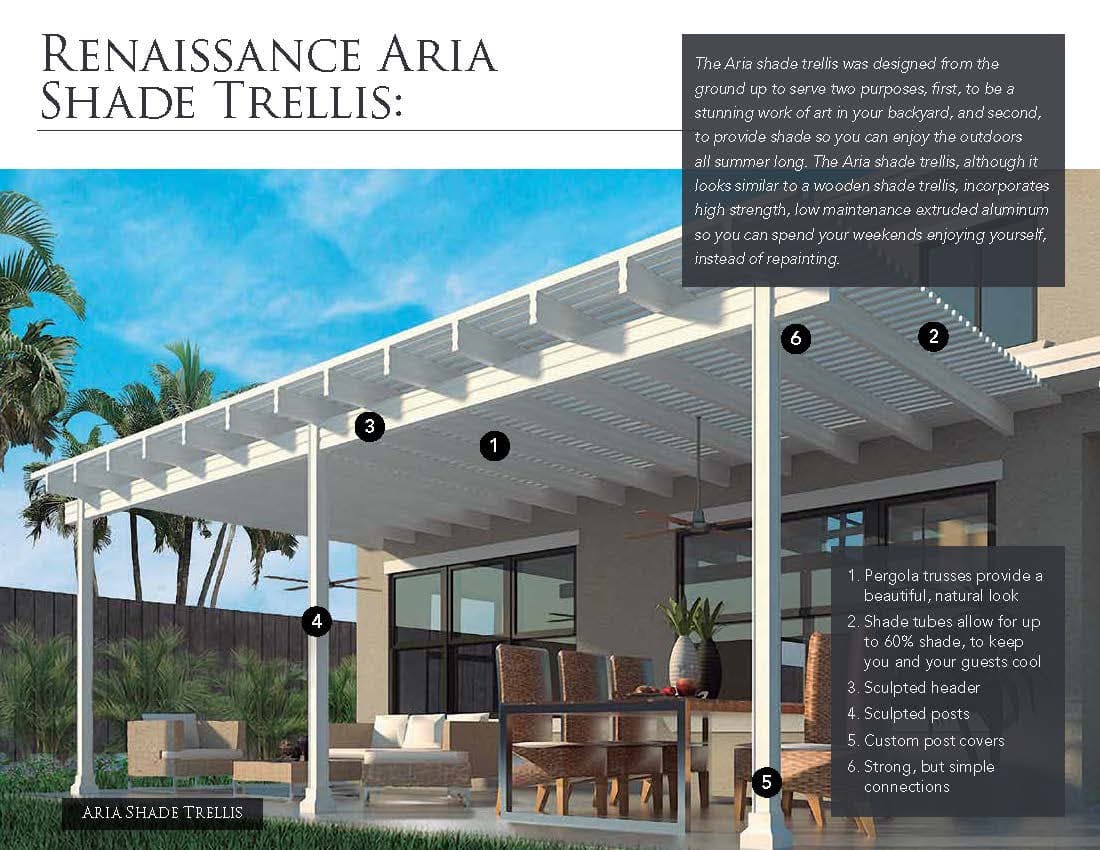
Contractors installing Renaissance Patio products should demonstrate familiarity with various models including Moderno's clean modern lines, Contempo's decorative sculpted trusses, Classico's traditional elegance, Fresco's translucent pergola style, and Aria's shade trellis systems. Each style has unique installation requirements and design considerations.
The engineered nature of Renaissance products demands precision during installation. Proper connection assembly, accurate alignment, and correct fastening all affect structural performance and appearance.
Contractors experienced with these systems understand assembly sequences and quality checkpoints ensuring installations meet manufacturer specifications and warranty requirements.
Traditional Patio Construction
Traditional patio construction using wood, masonry, or composite materials requires different expertise than engineered aluminum systems. Wood pergola construction demands understanding of lumber selection, connection methods resisting outdoor exposure, and finishing techniques protecting against weather damage.
Masonry patios including pavers, natural stone, or decorative concrete require knowledge of proper base preparation, drainage design, and finishing techniques. These skills differ significantly from carpentry or aluminum system installation, making contractor experience with your preferred patio type particularly important.
Remodeling and Renovation Projects
Patio remodeling contractors face unique challenges when updating existing outdoor spaces. Renovation projects require assessing existing structure condition, determining what can be preserved versus replaced, and integrating new elements with existing construction.
Remodeling expertise includes knowing when existing foundations can support new structures, how to match new materials with existing finishes, and creative problem-solving when dealing with less-than-ideal existing conditions. Contractors specializing in new construction may lack renovation experience leading to costly mistakes or missed opportunities for economical solutions.
Red Flags and Warning Signs
Certain contractor behaviors and practices should eliminate candidates from consideration regardless of other positive factors.
Unlicensed or Improperly Licensed Contractors
Never hire unlicensed contractors for patio construction regardless of claimed experience or price advantages. Florida law requires proper licensing for construction projects, and using unlicensed contractors exposes you to liability, eliminates warranty protections and consumer recourse, and may violate building codes leading to fines or required demolition.
Verify license status independently through Florida's Department of Business and Professional Regulation rather than accepting contractors' claims. Some unlicensed individuals advertise using licensed contractors' numbers without that person's active involvement in your project, creating legal and quality issues.
Pressure Tactics and Unrealistic Promises
High-pressure sales tactics including limited-time offers expiring within days, demands for immediate contract signing, or claims of special pricing available only if you commit immediately indicate unprofessional operations. Quality contractors provide estimates without pressure, allowing you time to compare proposals and make informed decisions.
Extremely low bids compared to other contractors warrant skepticism. While price shopping makes sense, bids significantly below average (20-30% or more) likely indicate corners being cut through inferior materials, unlicensed subcontractors, or inexperienced crews. Remember that patio construction involves substantial material and labor costs limiting how much legitimate contractors can discount while maintaining quality and profitability.
Promises of unrealistically short timelines or guaranteed permit approvals also raise concerns. No contractor controls permit department schedules, and quality construction requires adequate time. Contractors promising impossibly fast completion may rush work compromising quality or operate without proper permits.
Poor Communication and Vague Contracts
Contractors difficult to reach during the sales process will prove equally frustrating during construction when clear communication becomes even more critical. Vague verbal estimates or one-page proposals lacking specifics suggest contractors who operate casually and may deliver careless work.
Reluctance to provide detailed information, answer questions thoroughly, or put agreements in writing indicates contractors hiding something or lacking knowledge. Legitimate contractors welcome questions and provide thorough answers demonstrating their expertise.
Making Your Final Decision
After researching credentials, evaluating experience, checking references, and comparing proposals, combine objective data with instinct when making final decisions. The right patio contractor offers proper licensing and insurance, proven experience with your preferred patio type, strong reputation and references, clear communication and professionalism, fair pricing reflecting quality work, and comprehensive contracts protecting your interests.
Price matters but shouldn't be the sole deciding factor. The lowest bid rarely delivers best value, while the highest price doesn't guarantee superior quality. Look for contractors offering fair pricing for proposed scope with costs aligned with your budget and the patio you envision.
At Tivey Construction, we've built our reputation over three decades through quality craftsmanship, transparent communication, and treating every project as if we're building in our own backyard. Our CGC license, comprehensive insurance, and experience installing Renaissance Patio products demonstrate our commitment to professional standards and specialized outdoor construction expertise.
We understand that selecting a contractor represents a significant decision, and we welcome the opportunity to earn your trust. Whether you choose Tivey Construction or another qualified contractor, taking time to thoroughly evaluate your options ensures your patio project proceeds smoothly from design through completion, delivering the outdoor living space you've imagined.
The perfect patio starts with the right contractor. Choose wisely, communicate clearly, and enjoy the journey from concept to completion. Your investment in careful contractor selection pays dividends for decades through a beautiful, functional patio that enhances your home and outdoor lifestyle. Contact us today to discuss your patio vision and discover how our experience and commitment to excellence can bring your outdoor living dreams to life.
Ready when you are.
Tell me about your project — you'll see your real budget range mid-flow, and I'll call within 24 hours. No spam, no call center, just me.