A well-planned patio addition or remodel transforms your outdoor space from underutilized backyard into a functional extension of your home's living area. Whether you're adding a covered patio to create shade and weather protection, expanding an existing patio to accommodate growing family needs, or completely reimagining your outdoor space with modern materials and design, successful projects begin with thorough planning that addresses design, budget, permitting, and execution.
Poor planning leads to common pitfalls including cost overruns from inadequate budgeting, design regrets when installed features don't match daily use patterns, permitting delays from failing to understand local requirements, and construction problems from overlooking site conditions. These challenges create frustration and disappointment, turning what should be exciting home improvements into stressful experiences.
At Tivey Construction, we've guided hundreds of Northeast Florida homeowners through patio installation and remodeling projects over our 30+ years in business. We've learned that homeowners who invest time in comprehensive planning enjoy smoother construction, better outcomes, and greater long-term satisfaction with their outdoor spaces. This complete guide walks you through essential planning steps for patio additions and remodels, helping you make informed decisions that lead to outdoor living spaces perfectly suited to your lifestyle, property, and budget.
Understanding what to look for in patio contractors becomes easier once you've clarified your project vision through careful planning. Well-defined plans allow you to communicate clearly with contractors, evaluate proposals accurately, and ensure the final result matches your expectations.
Defining Your Patio Vision and Goals
Successful patio projects begin with clearly defined goals and realistic vision for how you'll use the space.
Identifying How You'll Use Your Patio
Start by envisioning typical patio activities and who will use the space. Will your patio primarily serve as outdoor dining area for family meals, entertainment space for hosting gatherings, quiet retreat for reading and relaxation, outdoor kitchen and grilling station, or poolside lounging area? Each use case drives different design requirements.
Family dining requires adequate table space, weather protection, and proximity to the kitchen for convenient meal service. Entertainment-focused patios need generous square footage accommodating multiple conversation areas, potentially outdoor bars or kitchens, and ambient lighting creating welcoming evening atmospheres.
Quiet retreats benefit from privacy screening, comfortable seating arrangements, and peaceful design elements like water features or garden views. Outdoor kitchens demand proper utility access including electrical, gas, and water lines, adequate counter space, and weather-protected cooking and prep areas.
Consider seasonal use patterns. Will you use your patio year-round or primarily during warmer months? Jacksonville's mild climate supports year-round outdoor living, making weather protection and heating considerations valuable for maximizing patio utility throughout the year.
Think about who uses the space. Families with young children require safe, visible play areas and durable, easy- to-clean surfaces. Entertainers prioritize ample seating, traffic flow accommodating groups, and impressive aesthetics. Empty nesters might focus on low-maintenance designs with comfortable furnishings for extended outdoor relaxation.
Setting Realistic Budget Parameters
Patio budgets vary tremendously based on size, materials, features, and complexity. Basic open patios with simple concrete or paver surfaces cost $3,000-$10,000, while elaborate covered patios with Renaissance Patio aluminum systems, outdoor kitchens, and premium finishes can exceed $50,000-$75,000.
Research typical costs for your desired patio type to set realistic budget expectations. Basic covered patio additions using Renaissance Patio products typically range from $15,000-$35,000 depending on size and model selection. Adding screen rooms, outdoor kitchens, or extensive landscaping increases costs proportionally.
Build 10-15% contingency into your budget for unexpected expenses. Patio projects occasionally encounter unforeseen site conditions, material price fluctuations, or design modifications during construction.
Contingency funds prevent budget overruns from derailing projects or forcing undesirable compromises.
Consider total project costs beyond patio construction itself including landscaping and hardscaping connecting the patio to surrounding areas, outdoor furniture and accessories, lighting systems, and ongoing maintenance expenses. These additional costs significantly impact overall investment and should factor into budget planning.
Determine your payment approach. Will you pay cash, finance through home equity loans or lines of credit, or use contractor financing programs? Understanding financing options helps you set realistic project scope matching available resources.
Establishing Project Timeline
Project timelines for patio additions and remodels vary based on scope, complexity, permitting requirements, and contractor availability. Simple patio additions often complete within 2-4 weeks from permit approval to final inspection, while complex remodels or additions with extensive features may require 6-12 weeks.
Factor in pre-construction time for design development (1-3 weeks), obtaining permits (1-4 weeks depending on jurisdiction), and contractor scheduling (varies by season and contractor workload). Total time from initial planning to project completion typically spans 2-4 months for straightforward projects and longer for complex undertakings.
Consider seasonal factors affecting construction and your personal use. Starting construction in fall or winter allows completion before peak spring and summer outdoor living season. However, Jacksonville's mild climate permits year-round construction, providing flexibility in project timing.
Discuss timeline expectations with contractors during initial consultations. Experienced contractors provide realistic schedule estimates based on project scope and historical experience. Be wary of promises for unrealistically fast completion suggesting rushed work or inadequate planning.
Evaluating Your Property and Site Conditions
Understanding property characteristics and site conditions informs design decisions and identifies potential challenges requiring attention during planning.
Assessing Current Conditions
Begin with thorough inventory of existing conditions including current patio or deck features and their condition, sun exposure patterns throughout the day and across seasons, drainage patterns during rainfall, soil type and stability, existing landscaping and mature trees, utility locations including electrical, gas, water, and sewer lines, and property boundaries and setback requirements.
Sun exposure significantly impacts patio comfort and functionality. Observe how sunlight moves across your intended patio area throughout the day. Jacksonville's intense summer sun makes shade essential for afternoon comfort, while morning sun may be pleasant. Understanding sun patterns helps position shade structures effectively.
Drainage analysis prevents water accumulation causing damage or creating mosquito breeding areas. Watch where water flows during rainfall, noting any pooling or erosion issues. Proper patio grading directs water away from structures and prevents flooding.
Document existing utilities through utility location services (call 811 before any digging) and review property surveys. Utility conflicts can derail projects or require expensive relocations if not identified during planning.
Understanding Zoning and Setback Requirements
Local zoning regulations and homeowner association rules govern patio placement, size, and sometimes design. Jacksonville's zoning ordinances typically require minimum setbacks from property lines (often 10 feet from rear and side property lines), height restrictions for covered structures, and sometimes lot coverage maximums limiting total impervious surface area.
Review your property survey to understand exactly where property boundaries lie. Many homeowners incorrectly assume fence lines or visual landmarks indicate property boundaries, leading to setback violations requiring expensive corrections or demolition.
Homeowner association communities often impose additional restrictions beyond municipal codes including architectural review requirements, approved materials lists, aesthetic guidelines ensuring neighborhood consistency, and sometimes prohibition of certain patio types or features. Review HOA covenants and architectural guidelines early in planning to avoid designs requiring costly modifications or facing rejection.
Contact your local building department or review online resources to understand applicable regulations. Some municipalities publish residential construction guides outlining common requirements and permitting processes.
Identifying Site Challenges and Opportunities
Every property presents unique challenges and opportunities affecting patio design and construction. Sloped lots require either extensive grading creating level patio areas or creative multi-level designs working with existing topography. Retaining walls may be necessary to prevent erosion and create usable flat areas.
Poor soil conditions including clay soils that expand when wet and contract when dry, sandy soils providing inadequate support, or high water tables complicate foundation construction. These conditions may require special preparation including soil removal and replacement, deep foundations, or drainage systems.
Mature trees provide natural shade and beauty but present challenges including root systems potentially interfering with patio foundations, branches dropping leaves and debris requiring frequent cleaning, and restricted areas during construction to prevent tree damage. Decide whether to work around valued trees or remove obstacles to desired patio placement.
Opportunities might include beautiful natural views worth showcasing, existing hardscaping or retaining walls potentially integrated into new designs, natural drainage features minimizing additional drainage work, or property topography creating interesting multi-level patio possibilities.
Exploring Design Options and Material Choices
Patio design decisions affect aesthetics, functionality, durability, and maintenance requirements for years to come.
Covered vs. Open Patio Configurations
Open patios provide maximum flexibility and typically cost less than covered options. These uncovered spaces work well for poolside areas, secondary gathering spaces, or properties where mature trees provide natural shade. However, open patios offer no weather protection and limited sun control, restricting use during rain or intense heat.
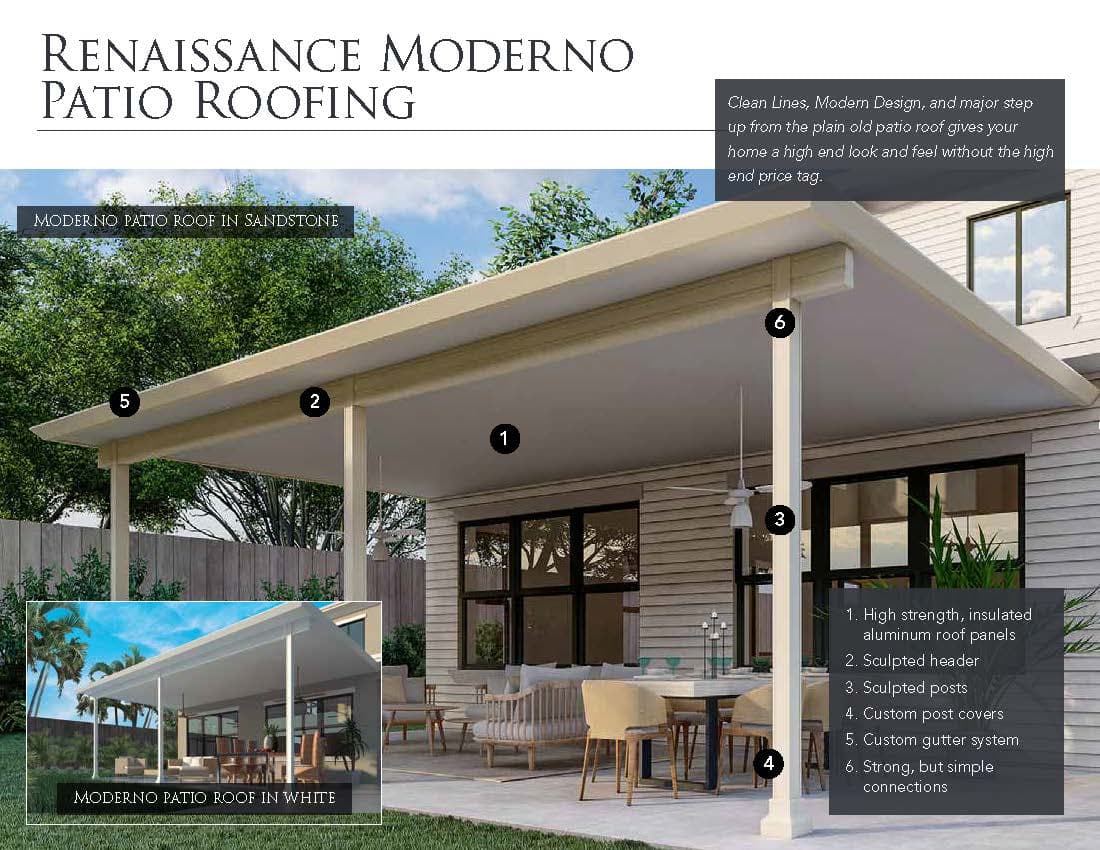
Covered patios extend usable hours and seasons by providing shade and rain protection. Renaissance Patio systems offer multiple covered patio options ranging from partial shade pergola-style designs to completely covered and insulated patio roofs providing full weather protection.
Partial shade solutions like the Aria shade trellis filter sunlight while maintaining open, airy aesthetics. These structures work well when you want some sun exposure while reducing heat intensity during peak hours.
Pergola-style designs support climbing plants creating natural shade that increases over time.
Full coverage patio roofs including Renaissance Patio's Moderno, Contempo, and Classico models provide complete overhead protection from sun and rain. Insulated aluminum roofing options keep covered areas significantly cooler than ambient temperatures during Jacksonville's hot summers. These covered patios function as true outdoor rooms usable regardless of weather.
Screen room additions like the Dolce system transform covered patios into bug-free outdoor living spaces perfect for evening relaxation without mosquito concerns. Screen rooms maintain open-air feeling while providing insect protection and additional privacy.
Sunroom enclosures with glass or acrylic windows create fully enclosed spaces protected from wind, rain, insects, and temperature extremes. These climate-controlled spaces function year-round regardless of weather, though they cost more than open or partially enclosed options.
Material Selection for Durability and Aesthetics
Material choices significantly impact patio appearance, longevity, maintenance requirements, and cost. Modern engineered materials like Renaissance Patio's 100% extruded aluminum offer advantages over traditional options.
Aluminum patio systems provide exceptional durability resisting rust, rot, and insect damage that plague wood structures. The same aircraft-grade aluminum used in airplane wings and fuselages delivers high strength-to- weight ratio withstanding hurricane-force winds up to 175 mph and heavy snow loads while maintaining elegant proportions impossible with heavier materials.
Baked-on powder coat finishes available in multiple colors require virtually no maintenance beyond occasional washing. These factory-applied finishes won't peel, crack, or fade like painted wood surfaces, eliminating ongoing refinishing expenses and labor.
Traditional wood construction using pressure-treated lumber or cedar creates warm, natural aesthetics many homeowners prefer. However, wood requires regular maintenance including staining or sealing every 2-3 years, inspection and repair of rot or insect damage, and eventual replacement of deteriorated components.
Jacksonville's humidity and precipitation accelerate wood degradation compared to drier climates.
Composite materials combine wood fibers with plastic creating products resisting rot and insects while reducing maintenance compared to natural wood. Quality composites perform well in outdoor applications though they cost more than pressure-treated lumber while still requiring some maintenance and eventual replacement.
For uncovered patio flooring, options include concrete (economical and durable but potentially hot underfoot and prone to cracking), pavers in concrete or natural stone (attractive, repairable, and available in numerous styles), natural stone like travertine or flagstone (premium aesthetics and heat resistance but higher cost), and stamped or decorative concrete (upgraded appearance at moderate pricing).
Incorporating Features and Amenities
Additional features transform basic patios into complete outdoor living environments tailored to your lifestyle.
Outdoor kitchens range from simple built-in grills with small counter areas ($3,000-$8,000) to elaborate cooking centers with multiple appliances, extensive counter space, sinks, refrigeration, and storage ($15,000-
$40,000+). Consider how often you'll use outdoor cooking facilities and what appliances matter most for your entertaining style.
Lighting systems extend patio usability into evening hours while creating ambiance and ensuring safety. LED technology offers energy-efficient, long-lasting illumination with color-changing capabilities for mood lighting. Comprehensive lighting schemes include overhead lighting for general illumination, task lighting for cooking and dining areas, accent lighting highlighting architectural features or landscaping, and pathway lighting ensuring safe navigation.
Fire features including fire pits, outdoor fireplaces, or tabletop fire bowls create focal points and extend shoulder season use by providing warmth during cooler evenings. Gas fire features offer convenience and instant heat, while wood-burning options provide traditional campfire ambiance.
Water features such as fountains or small decorative waterfalls add soothing sounds and visual interest while potentially cooling surrounding areas through evaporative effects. These features range from simple tabletop fountains ($100-$500) to custom-built installations ($2,000-$10,000+).
Entertainment technology including outdoor televisions, sound systems, and Wi-Fi coverage transforms patios into exterior entertainment rooms. Weatherproof equipment designed for outdoor use ensures reliable performance despite exposure to elements.
Fans improve comfort during Jacksonville's humid summer months by creating air circulation. Ceiling fans mounted to covered patio structures provide cooling without the energy costs of outdoor heating and cooling systems.
Understanding the Permitting Process
Proper permitting ensures patio construction complies with building codes while protecting your investment and avoiding legal issues.
When Permits Are Required
Most patio additions and remodels require building permits, though requirements vary by jurisdiction and project scope. Generally, permits are necessary for new covered structures of any size, electrical work including new circuits or outdoor receptacles, gas line installation for outdoor kitchens or fire features, and structural modifications to existing patios.
Some jurisdictions exempt very small uncovered patios or simple deck repairs from permitting, but covered patios almost universally require permits due to structural considerations and wind load requirements. When uncertain, consult your local building department rather than assuming permits aren't necessary.
Unpermitted work creates numerous problems including difficulty selling your home when buyers' lenders discover unpermitted construction during closing inspections, potential homeowner's insurance issues if claims arise related to unpermitted structures, code enforcement actions requiring expensive corrections or removal, and liability exposure if unpermitted work causes injuries or property damage.
Navigating the Permit Application Process
Building permit applications typically require site plans showing property boundaries, existing structures, proposed patio location, and setback distances from property lines; construction drawings detailing structural design, connection methods, and materials; and sometimes engineering calculations for larger or complex structures demonstrating structural adequacy.
Experienced patio installation and remodeling contractors like Tivey Construction handle permit applications and coordinate with building departments, simplifying the process for homeowners. Contractors familiar with local requirements prepare complete applications avoiding delays from missing information or non-compliant designs.
Permit review and approval timelines vary by jurisdiction and application complexity. Simple residential patio permits in Jacksonville often approve within 1-2 weeks, while complex projects requiring engineering review or in areas with additional restrictions may take longer.
Plan reviewers sometimes request modifications ensuring code compliance. Common issues include setback violations requiring patio relocation or size reduction, structural concerns requiring engineering letters or design modifications, drainage questions demanding additional information, and utility conflicts requiring clearances or relocations.
Scheduling Required Inspections
Permitted construction requires multiple inspections at specific project milestones. Typical patio inspections include foundation inspection before concrete placement, framing and structural inspection before covering structural elements, electrical rough-in inspection before walls or ceilings enclose wiring, and final inspection verifying completed construction matches approved plans and meets code requirements.
Coordinate with contractors to ensure work is ready for inspection when scheduled. Failed inspections from incomplete work or code violations delay projects and sometimes require expensive corrections. Quality contractors know what inspectors look for and prepare accordingly.
Don't use or occupy patio spaces before final inspection and approval. Some jurisdictions impose fines for premature occupancy, and insurance coverage may be compromised if incidents occur before official approval.
Selecting the Right Contractor for Your Project
Contractor selection significantly impacts project success, making careful evaluation essential.
Evaluating Contractor Qualifications
Verify contractors hold appropriate Florida licenses (CGC or CBC for most patio projects), maintain adequate insurance including general liability and workers' compensation, and ideally carry bonding providing financial protection. At Tivey Construction, our CGC license #1511598 demonstrates our commitment to professional standards and regulatory compliance.
Request examples of completed projects similar to your planned patio. Portfolio quality reveals craftsmanship standards, design capabilities, and experience with your preferred materials and patio type. Visit completed projects when possible to evaluate work quality firsthand and speak with past clients about their experiences.
Check references from recent clients asking specific questions about communication quality, adherence to schedules and budgets, problem-solving during unexpected challenges, site cleanliness and protection, and whether they would hire the contractor again.
Review online ratings and complaints through Google reviews, Better Business Bureau, and other platforms. Look for patterns indicating consistent strengths or recurring problems rather than focusing on individual reviews.
Understanding Proposals and Contracts
Quality proposals provide detailed scope of work descriptions, specific materials with brand names and models, itemized cost breakdowns, project timeline estimates, payment schedule, and warranty information. Vague proposals lacking detail allow disputes about what's included and enable contractors to cut corners through inferior substitutions.
Compare multiple proposals ensuring they specify identical scope and materials for accurate cost comparison. The lowest bid doesn't always represent the best value if it omits critical elements or uses inferior materials.
Contracts should memorialize all agreements in writing including complete scope of work, specific materials and finishes, project timeline with milestone dates, payment schedule tied to completion milestones, change order procedures, warranty provisions, and dispute resolution mechanisms.
Never sign contracts with significant upfront payments (more than 30% of project cost) before work begins. Legitimate contractors maintain adequate cash flow without requiring customers to finance their operations. Payment schedules should align with work completion, with final payments retained until project completion and final inspection.
Managing the Contractor Relationship
Establish clear communication protocols including frequency of updates, preferred contact methods, designated points of contact, and decision-making processes. Regular communication prevents misunderstandings and ensures you stay informed throughout construction.
Monitor project progress without micromanaging. Visit the site regularly to observe work quality and ask questions, but trust your contractor's expertise on construction methods and scheduling. Speak up immediately if you notice concerning issues rather than waiting until problems compound.
Address changes or modifications through formal change order processes. Document all modifications in writing with pricing and schedule impacts before additional work proceeds. This prevents disputes about verbal agreements and surprise charges.
Maintain professional, respectful relationships recognizing that construction involves challenges requiring collaboration and flexibility. Quality contractors want you thrilled with the final result and generally accommodate reasonable requests when approached respectfully.
Preparing for Construction
Proper preparation ensures smooth construction and minimizes disruptions to your daily routine.
Site Preparation Tasks
Clear the construction area of outdoor furniture, planters, grills, play equipment, and other items. Contractors need unobstructed access to work areas and space for material storage and equipment staging.
Protect landscaping and hardscaping near construction zones. Temporary fencing or barriers prevent damage from equipment and foot traffic. Mark valuable plants or features requiring special protection.
Arrange for pet containment during construction. Construction noise, strangers on property, and open gates create safety hazards and stress for pets. Consider temporary boarding or indoor containment during active construction phases.
Notify neighbors about upcoming construction, particularly if work generates noise or requires blocking street access for material deliveries. Courtesy notification maintains good neighbor relationships and prevents complaints.
Managing Construction Impacts
Construction disrupts normal routines through noise, dust, contractor traffic, and temporary loss of outdoor space access. Plan around these disruptions by scheduling important events or activities away from construction periods, establishing quiet hours for early morning or evening work if noise concerns exist, and maintaining indoor spaces for activities normally occurring in affected outdoor areas.
Daily construction noise typically occurs during standard business hours (7 AM to 5 PM weekdays). Discuss timing with contractors if you work from home or have other noise sensitivity concerns.
Dust and debris generation is inevitable during demolition and construction. Protect nearby outdoor furniture, cover pool if adjacent to construction, and expect increased cleaning needs around construction zones.
Executing Your Patio Addition or Remodel Successfully
Understanding construction phases helps you monitor progress and know what to expect.
Typical Construction Sequence
Most patio additions and remodels follow predictable sequences. Site preparation and demolition (if remodeling) remove existing materials and prepare areas for new construction. Foundation work including footings, piers, or slabs provides structural support. Framing and structural assembly creates the patio skeleton. For Renaissance Patio installations, this includes precision assembly of engineered aluminum components following specific sequences ensuring proper connection and alignment.
Rough-in work installs electrical, plumbing, and gas lines before covering with finished surfaces. Roofing and covering installation completes overhead protection. Finishing work includes flooring installation, trim work, painting or finishing touches, and detail work ensuring quality completion.
Final cleanup, inspection, and walkthrough verify work quality and ensure you understand maintenance requirements and warranty coverage.
Quality Checkpoints During Construction
Monitor several quality indicators throughout construction. Foundations should be level, properly sized, and adequately reinforced before concrete placement. Structural framing must be square, plumb, and properly connected. Electrical and plumbing rough-in should route logically with proper support and protection.
For Renaissance Patio installations, connections should align properly with fasteners fully seated, aluminum components should fit cleanly without forcing, and powder coat finishes should be unmarred during installation. Quality contractors protect finished surfaces during assembly preventing scratches and damage.
Finishing work quality shows in clean cuts, consistent spacing, tight joints, and professional appearance. Step back and view the overall appearance regularly, addressing concerns immediately rather than waiting until completion when corrections become more difficult.
Maximizing Long-Term Satisfaction
Planning for long-term enjoyment ensures your patio investment delivers value for years to come.
Understanding Maintenance Requirements
Different patio materials and systems require varying maintenance. Renaissance Patio aluminum structures need minimal care—occasional washing to remove accumulated dirt and pollen, inspection of fasteners and connections annually, and clearing debris from roof gutters if applicable. The maintenance-free powder coat finish eliminates painting or sealing requirements.
Wood structures demand more intensive maintenance including annual inspection for rot, insect damage, or loose connections, staining or sealing every 2-3 years, replacement of deteriorated boards or components, and ongoing cleaning preventing mildew and algae growth.
Patio flooring maintenance varies by material. Concrete requires periodic sealing, occasional pressure washing, and crack repair. Pavers need joint sand replenishment, occasional resetting of shifted pavers, and sealing for stain protection. Natural stone demands specialized cleaning avoiding acidic cleaners that damage surfaces.
Planning for Future Modifications
Design patios with future flexibility in mind. Modular furniture allows configuration changes as needs evolve. Infrastructure planning during construction (running electrical conduit for future lighting, roughing in plumbing for potential outdoor kitchens, or installing mounting points for shade structures) simplifies future additions.
Renaissance Patio systems support phased approaches—installing basic covered patio initially then adding screen room enclosures or additional sections later as budget allows. This flexibility lets you create your ultimate outdoor space gradually while enjoying functional improvements immediately.
Bringing Your Vision to Life
Planning a patio addition or remodel demands careful attention to design, budget, site conditions, permitting, and contractor selection. Homeowners who invest time in comprehensive planning enjoy smoother construction, better outcomes, and greater satisfaction with outdoor spaces perfectly matched to their lifestyles and properties.
At Tivey Construction, our experience guiding Jacksonville homeowners through patio projects has taught us that successful outcomes begin with thorough planning addressing all project aspects before construction begins. We work collaboratively with clients, offering expertise and guidance while ensuring their vision drives design decisions.
If you're ready to transform your outdoor space, we welcome the opportunity to discuss your patio addition or remodel plans. Our commitment to quality craftsmanship, clear communication, and professional expertise ensures your project proceeds smoothly from initial planning through final completion. Contact Tivey Construction today to begin planning your perfect outdoor living space—one that enhances your home, lifestyle, and outdoor enjoyment for years to come.
Ready when you are.
Tell me about your project — you'll see your real budget range mid-flow, and I'll call within 24 hours. No spam, no call center, just me.