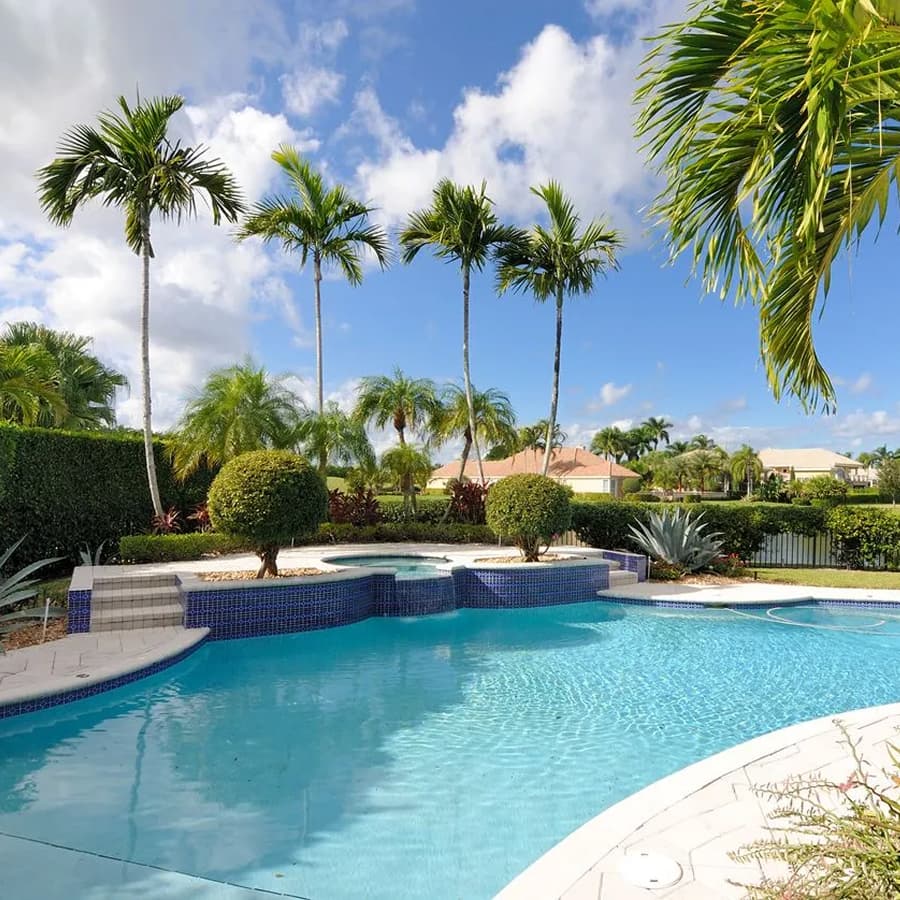
Heads-up before you read. I'm Mark Tivey. I work on the pool you already own — equipment, plaster, tile, decks, screens, automation, repairs. I do not build new pools from the ground up. This guide stays public because the cost questions still apply when you've bought a house with a pool that needs renovating, and because I get asked the budget question enough that the answers belong somewhere people can find them. Planning a brand-new build? I'll refer you to a pool builder I trust and pick the work back up afterward — deck, screen, outdoor kitchen, whatever connects the pool to the rest of your home. For upgrades on the pool you already have, start with the 90-second estimator or call me direct at (904) 850-6070.
Understanding pool installation costs represents one of the most important steps in planning your backyard transformation. Jacksonville homeowners typically invest anywhere from $40,000 to well over $150,000 for custom pool construction, depending on size, features, materials, and site conditions. This wide range often surprises first-time pool buyers who underestimate the total investment required for a complete pool project.
The sticker shock of pool pricing causes some homeowners to abandon their dreams of backyard swimming, while others forge ahead unprepared for the true costs, leading to budget overruns, unfinished projects, or compromises that diminish their satisfaction. Neither outcome serves Jacksonville families hoping to enjoy swimming pools in Jacksonville Florida for decades to come.
At Tivey Construction, we believe informed homeowners make better decisions and enjoy more satisfying outcomes. Through our 30+ years building custom pools with Orion Pools of Florida, we've helped hundreds of Jacksonville families navigate pool budgeting from initial estimates through final invoices. This comprehensive guide breaks down pool installation costs in Jacksonville Florida, explains what factors drive pricing, reveals often-overlooked expenses, and provides strategies for maximizing value while staying within budget.
Breaking Down the Major Cost Components
Pool installation costs in Jacksonville Florida encompass far more than digging a hole and filling it with water. Understanding individual cost components helps you evaluate estimates, make informed choices about where to invest or economize, and budget realistically for your complete project.
Excavation and Site Preparation
Every pool project begins with excavation, and Jacksonville's varied soil conditions significantly impact these costs. Clay-heavy soils common in many neighborhoods require more effort to excavate than sandy soils found in coastal areas. Rocky or compacted soil increases equipment wear and labor time, driving up costs.
Typical excavation costs range from $3,000 to $8,000 for standard residential pools, though complex sites with difficult access, significant slopes, or poor soil conditions can push excavation costs considerably higher.
Properties with narrow side yards limiting heavy equipment access sometimes require smaller equipment or hand digging, substantially increasing labor costs.
Site preparation also includes removing existing landscaping, relocating utilities if necessary, and grading the area for proper drainage. Mature trees or extensive hardscaping in the planned pool location add removal costs. Underground utilities discovered during excavation may require relocation at additional expense, though thorough pre-construction surveys minimize these surprises.
Hauling excavated material adds to site preparation costs. Contractors must dispose of soil removed from your property, with disposal fees varying based on volume and local landfill rates. Some Jacksonville homeowners use excavated material for landscaping elsewhere on their property, potentially reducing disposal costs.
Pool Structure and Construction
The pool shell itself represents the largest single expense in most projects. Construction costs vary dramatically based on pool type, with concrete pools ranging from $25,000 to $60,000 or more for the structure alone, while fiberglass shells cost $15,000 to $35,000, and vinyl liner pools fall somewhere in between.
Concrete pool pricing depends heavily on size and shape. Simple rectangular pools cost less per square foot than elaborate freeform designs with multiple curves and radiuses. Additional structural features like attached spas, beach entries, tanning ledges, or swim-up bars increase costs through added complexity and materials.
The concrete application method also affects pricing. Gunite and shotcrete both create durable concrete pools, but equipment requirements and crew expertise vary, influencing labor costs. Jacksonville's climate allows year- round concrete work, avoiding the premium pricing some northern markets experience during limited construction seasons.
Structural features impacting costs include pool depth (deeper pools require more excavation and concrete), benches and built-in seating, steps and entry configurations, and raised walls for infinity edges or elevated spas. Each addition increases materials and labor while enhancing functionality or aesthetics.
Pool Equipment and Systems
Mechanical systems keeping your pool clean, safe, and comfortable represent significant expenses that vary based on equipment quality, capacity, and features.
Filtration systems range from $800 to $3,000 depending on type and size. Sand filters cost least but require more maintenance and water for backwashing. Cartridge filters offer middle-ground pricing with easier maintenance. Diatomaceous earth (DE) filters provide superior filtration at premium prices but need more involved maintenance procedures.
Pumps have evolved significantly with variable-speed models now dominating new installations. While variable-speed pumps cost $800 to $2,000 compared to $400 to $800 for single-speed models, energy savings typically recover the premium within 2-3 years. Jacksonville's extended swimming season amplifies these savings since pumps run most of the year.
Heating systems add substantial costs but extend Jacksonville's already generous swimming season. Heat pumps cost $2,500 to $5,000 and work efficiently in our mild climate. Gas heaters range from $1,500 to $3,500, heating water faster than heat pumps but with higher operating costs. Solar heating systems require $3,000 to
$8,000 upfront investment but virtually eliminate heating costs thereafter, making them popular in sun-drenched Jacksonville.
Automation systems controlling lights, pumps, heaters, and water features from smartphones or tablets cost
$1,500 to $4,000. While not essential, automation improves convenience and can reduce energy costs through optimized scheduling.
Sanitation systems beyond traditional chlorination include salt chlorine generators ($1,200 to $2,500), UV systems ($1,000 to $2,000), and ozone generators ($800 to $1,500). These systems reduce chemical usage and maintenance while providing gentler water chemistry that many swimmers prefer.
Finishing Materials and Aesthetics
The pool's appearance and tactile experience depend heavily on finishing materials, with choices ranging from basic to luxurious and pricing varying accordingly.
Plaster represents the traditional concrete pool finish, with standard white plaster costing $3,000 to $6,000 for typical residential pools. Colored plaster adds visual interest for an additional $1,000 to $2,000. Plaster typically lasts 7-10 years before requiring resurfacing.
Aggregate finishes combining plaster with pebbles, quartz, or glass beads create more durable and visually striking surfaces. Pebble finishes range from $8,000 to $15,000, offering 15-20 year lifespan and distinctive appearance with visible stones creating texture and color variation. Quartz and glass bead finishes fall into similar price ranges with slightly different aesthetics and durability characteristics.
Tile work adds color, texture, and visual definition. Waterline tile costs $15 to $40 per linear foot depending on tile quality and complexity. Decorative tile work creating designs or mosaics significantly increases costs but delivers stunning focal points. Some Jacksonville pools feature extensive tile work creating resort-style aesthetics.
Coping, the cap around the pool perimeter, ranges from basic concrete ($12 to $20 per linear foot) to natural stone like travertine or bluestone ($25 to $60 per linear foot). Coping selection impacts aesthetics and how the pool edge feels underfoot and hand.
Decking and Surrounding Hardscape
Decking provides critical space for lounging, dining, and entertaining around your pool. Adequate deck space typically equals or exceeds pool surface area, making decking a major expense component.
Concrete decking offers the most economical option at $8 to $15 per square foot for basic finishes. Stamped or decorative concrete mimicking stone or tile patterns costs $12 to $25 per square foot, providing upgraded aesthetics at moderate pricing. Cool-deck coatings that reduce heat absorption in Jacksonville's intense sun add
$2 to $5 per square foot.
Pavers create attractive, durable decks with countless design possibilities. Concrete pavers cost $10 to $20 per square foot installed, while natural stone pavers like travertine range from $15 to $40 per square foot. Pavers allow easier repairs than poured concrete since damaged individual pavers can be replaced without affecting surrounding areas.
Natural stone decking delivers premium aesthetics and durability. Travertine, flagstone, and bluestone create beautiful, long-lasting decks but command prices of $20 to $60 per square foot depending on stone type and quality. These materials stay cooler underfoot than concrete, a significant advantage during Jacksonville summers.
Deck size directly impacts costs, with typical pools requiring 300 to 800 square feet of decking. A medium- sized deck of 500 square feet costs $4,000 to $10,000 in basic concrete, $7,500 to $20,000 in pavers, or $10,000 to $30,000 in premium stone.
Electrical and Plumbing Work
Behind-the-scenes systems require licensed professionals and represent non-negotiable expenses critical for safe, functional pools.
Electrical work includes running power to equipment, installing ground fault circuit interrupter (GFCI) protected circuits, wiring pool and landscape lighting, and potentially installing subpanels if existing electrical service lacks capacity. Typical electrical costs range from $2,000 to $5,000 for standard installations, with complex lighting schemes or distant equipment locations increasing expenses.
Plumbing connects equipment to the pool, routes water through filtration and heating systems, and provides return jets, skimmers, and drains. Material costs for PVC pipes, fittings, and equipment connections combine with labor for trenching and installation. Standard plumbing costs range from $2,500 to $6,000, with extensive water features or complex hydraulic designs increasing requirements.
Gas lines for gas heaters add $500 to $2,000 depending on distance from existing gas service and whether trenching can follow other utility paths or requires separate excavation.
Fencing and Safety Features
Florida law mandates barrier fencing around residential pools, making this an unavoidable expense for legal and safety compliance. Jacksonville enforces these requirements through permitting and inspections.
Aluminum fencing costs $20 to $40 per linear foot and offers durability, low maintenance, and see-through designs that preserve views. Wrought iron fencing ranges from $25 to $50 per linear foot, providing classic aesthetics with substantial weight and durability. Vinyl fencing costs $15 to $30 per linear foot and requires minimal maintenance though it lacks the strength and longevity of metal options.
Glass or acrylic panel fencing creates contemporary aesthetics with unobstructed views, costing $100 to $300 per linear foot. These premium materials work well for pools integrated with architectural designs emphasizing clean lines and transparency.
Typical pool fencing requires 80 to 150 linear feet depending on property configuration and whether existing structures form parts of the barrier. Fencing costs range from $1,200 to $4,500 for basic aluminum to $8,000 to
$45,000 for premium glass installations.
Safety covers provide additional protection, particularly for families with young children. Mesh safety covers cost $1,500 to $3,000, while automatic covers range from $8,000 to $15,000. Though not legally required, these features significantly enhance safety and may reduce homeowner's insurance premiums.
Factors That Influence Your Total Investment
Beyond baseline construction costs, numerous factors specific to your property and preferences affect final project pricing.
Pool Size and Shape
Size directly correlates with cost, though not always linearly. Doubling pool surface area doesn't necessarily double costs since certain expenses like permitting, equipment installation, and project management remain relatively constant regardless of size.
Small pools (250-350 square feet) typically cost $40,000 to $60,000 for basic concrete construction. Medium pools (350-500 square feet) range from $50,000 to $80,000. Large pools (500-700 square feet) cost $70,000 to
$120,000 or more. Resort-style pools exceeding 700 square feet often surpass $150,000 with extensive features and premium finishes.
Shape complexity affects costs independent of size. Rectangular pools require straightforward formwork and excavation. Freeform pools with multiple curves, radiuses, and irregular shapes demand more labor for layout, excavation, steel placement, and finishing. Complex shapes can add 10-20% to base construction costs compared to rectangular equivalents of similar size.
Depth variations also influence pricing. Standard pools with shallow ends transitioning to 6-foot deep ends cost less than pools maintaining 8-10 foot depths throughout or incorporating diving areas requiring specialized construction.
Site Conditions and Accessibility
Your property's physical characteristics significantly impact construction costs and sometimes determine project feasibility.
Sloped lots require additional excavation to level the pool area and may necessitate retaining walls to prevent erosion. Retaining walls cost $15 to $40 per square foot depending on height and materials. Significant slopes can add $5,000 to $20,000 to projects compared to level lots.
Soil conditions affect excavation difficulty and stability. Clay soils expand when wet and contract when dry, potentially causing pool movement if not properly addressed during construction. Rocky soils require specialized equipment or rock breaking, increasing excavation time and costs. Poor soil sometimes requires over-excavation and replacement with engineered fill, adding substantial expense.
Limited access complicates construction. Properties with narrow side yards, fully fenced yards without adequate gates, or mature landscaping blocking equipment access force contractors to use smaller equipment or construct temporary access routes. These accommodations increase labor time and equipment costs, potentially adding
10-30% to base pricing.
High water tables in some Jacksonville areas require special drainage systems or dewatering during construction. Coastal properties particularly face water table challenges that increase construction complexity and costs.
Feature Additions and Customization
Water features, lighting, and architectural elements transform basic pools into custom outdoor living spaces but increase costs proportionally to complexity and quality.
Waterfalls range from simple spillovers ($2,000 to $5,000) to elaborate rock formations with grottos and caves ($15,000 to $50,000). Jacksonville homeowners often incorporate natural-looking rock work harmonizing with Florida landscaping.
Fountains and deck jets add visual interest and cooling effects for $500 to $3,000 per feature depending on size and complexity. Multiple jets creating dramatic water arcs or laminar flows increase costs but deliver impressive visual effects.
Tanning ledges provide shallow lounging areas within the pool, perfect for sunbathers and young children. These built-in shelves cost $3,000 to $8,000 depending on size and finishing materials.
Swim-up bars create resort-style entertainment spaces, typically costing $5,000 to $15,000 including underwater seating, bar top, and finishing work. These features require significant space and structural integration during initial construction.
Attached spas range from $8,000 to $20,000 depending on size, jets, and integration with the main pool. Spillover spas that cascade into pools create beautiful visual effects and comfortable transitions between different water temperatures.
Lighting technology has advanced tremendously. LED pool lights cost $500 to $1,500 each and offer color- changing capabilities, energy efficiency, and long lifespan. Landscape lighting around decks and landscaping adds $2,000 to $8,000 for comprehensive illumination schemes.
Slides, diving boards, and basketball hoops cater to active families. Residential slides cost $1,500 to $5,000, diving boards range from $500 to $2,000 (though diving pools require significant depth and size), and pool basketball systems cost $300 to $1,000.
Material Quality and Finish Selections
Budget and premium options exist for virtually every pool component, with quality differences affecting both initial costs and long-term value.
Equipment quality varies substantially between brands. Premium manufacturers like Pentair, Hayward, and Jandy produce reliable equipment backed by comprehensive warranties, while budget brands may cost 20-30% less but carry higher failure rates and limited support networks. Given Jacksonville's extended swimming season, reliable equipment justifies the investment.
Finishing materials range from basic to luxurious. Standard plaster provides adequate durability and appearance at minimum cost, while premium aggregates offer superior longevity and aesthetics at 2-3 times the price. The extended lifespan of premium finishes (15-20 years versus 7-10 years for plaster) makes them cost-effective over the pool's lifetime despite higher upfront costs.
Tile and coping selections similarly span budget to luxury. Basic ceramic tiles and concrete coping provide functional finishes at minimal expense, while hand-crafted tiles and natural stone create stunning visual statements at premium prices.
Decking material choices balance aesthetics, durability, maintenance, and budget. Basic concrete offers lowest initial costs but may crack or stain over time. Pavers cost more upfront but allow easier repairs and often provide superior longevity. Natural stone delivers premium appearance and performance at highest cost.
Hidden Costs and Budget Surprises
Even careful planning sometimes misses expenses that surprise homeowners during or after construction. Awareness of these potential costs prevents budget overruns.
Landscaping and Restoration
Pool construction inevitably disrupts existing landscaping. Heavy equipment damages grass, shrubs, and sometimes trees. Excavated material storage areas and construction traffic compact soil and destroy plantings. Material deliveries and contractor parking affect additional areas.
Post-construction landscaping restoration typically costs $2,000 to $8,000 depending on disruption extent and quality of restored landscaping. Some homeowners use pool construction as an opportunity for comprehensive landscape redesign, increasing costs but creating cohesive outdoor living spaces.
New landscaping around pools enhances aesthetics and integrates pools with surrounding yards. Florida- friendly plants tolerant of occasional chlorine exposure and Jacksonville's climate thrive around pools with proper selection. Landscape installation costs vary tremendously based on plant quantity, size, and variety, with typical installations ranging from $3,000 to $15,000.
Irrigation system modifications ensure new and restored landscaping receives adequate water. Extending or modifying existing irrigation costs $500 to $2,000 depending on system complexity and coverage area required.
Permits and Inspections
Jacksonville requires building permits for pool construction, with fees varying based on project valuation. Typical permit costs range from $500 to $2,000 for residential pools. While modest compared to total project costs, permits represent mandatory expenses sometimes overlooked in initial budgeting.
Plan review fees, impact fees, and utility connection fees may apply depending on project specifics and neighborhood regulations. Homeowner association communities sometimes charge architectural review fees for pool projects, typically $100 to $500.
Required inspections during construction ensure code compliance but don't typically add direct costs beyond what contractors include in their base pricing. However, failed inspections requiring corrective work can delay projects and increase expenses if construction doesn't meet code requirements.
Utility Cost Increases
Pool operation increases utility consumption, adding ongoing costs that should factor into affordability assessments even though they're not direct installation expenses.
Electricity for pumps, heaters, and lighting increases monthly bills. Variable-speed pumps minimize these costs, but homeowners should budget $30 to $100 monthly for pool-related electricity depending on pool size, equipment efficiency, and usage patterns.
Water costs include initial filling (typically $50 to $150 depending on pool size and municipal water rates) and ongoing additions replacing water lost to evaporation, splashing, and backwashing. Jacksonville's hot, dry spring and fall weather accelerates evaporation, requiring regular water additions. Monthly water costs for pools typically range from $20 to $60.
Gas for gas heaters adds $50 to $200 monthly during heating season for homeowners choosing gas heating systems. Heat pumps and solar heating systems reduce or eliminate these costs.
Maintenance Equipment and Supplies
Initial equipment and chemical purchases equip you for pool maintenance but represent upfront costs beyond construction.
Basic maintenance equipment includes skimmer nets ($15 to $40), brushes ($20 to $60), vacuum heads and hoses ($50 to $150), test kits ($20 to $100), and chemical storage containers ($30 to $100). Robotic pool cleaners ($400 to $1,500) reduce manual cleaning time and increasingly popular among Jacksonville pool owners.
Initial chemical inventory includes chlorine or salt (for saltwater systems), pH adjusters, alkalinity increasers, calcium hardness increasers, cyanuric acid (stabilizer), and algaecides. Initial chemical purchases typically cost
$100 to $300, with ongoing monthly chemical expenses ranging from $30 to $80.
Some homeowners contract professional pool service, typically costing $80 to $150 monthly for weekly maintenance including cleaning, chemical balancing, and equipment checks. While this increases ongoing costs, professional service ensures proper maintenance and frees homeowners from weekly chores.
Insurance and Liability
Homeowner's insurance premiums often increase after pool installation due to increased liability exposure. Premium increases typically range from $200 to $600 annually depending on insurance carrier, coverage limits, and pool features.
Installing required safety fencing and covers may reduce insurance premium increases or even result in discounts from some carriers recognizing reduced liability risk. Discuss pool plans with insurance agents before construction to understand insurance implications and identify opportunities for premium management.
Umbrella liability policies provide additional protection beyond standard homeowner's coverage. While not mandatory, these policies make sense for pool owners given liability exposure from guests using pools.
Umbrella policies typically cost $200 to $400 annually for $1 million in coverage.
Financing Options for Jacksonville Pool Projects
Pool installation costs in Jacksonville Florida often exceed what many homeowners can pay from savings, making financing an important consideration.
Home Equity Loans and Lines of Credit
Home equity loans provide lump-sum financing secured by your home's equity. These loans offer fixed interest rates and predictable monthly payments, making budgeting straightforward. Rates typically range from 6% to 10% depending on creditworthiness and market conditions.
Home equity lines of credit (HELOCs) function like credit cards secured by home equity. You draw funds as needed during construction and pay interest only on amounts borrowed. HELOCs offer flexibility for projects where exact final costs remain uncertain until construction completes.
Both options provide tax advantages in some circumstances, as mortgage interest may be deductible if financing qualifies as home improvement debt. Consult tax professionals about specific situations.
Personal Loans
Unsecured personal loans don't require home equity but typically carry higher interest rates (8% to 15%) than home equity products. Personal loans work well for smaller pools or homeowners lacking sufficient home equity.
Loan terms typically span 5-7 years, resulting in higher monthly payments than longer-term home equity loans. However, personal loans close faster than home equity products, sometimes within days, helping homeowners who want to start projects quickly.
Contractor Financing Programs
Many pool contractors partner with financing companies offering loans specifically for pool construction. These programs provide convenient one-stop shopping, with loan applications processed during initial consultations.
Promotional financing sometimes includes deferred interest or low introductory rates, making initial payments manageable. However, carefully review terms, as promotional rates typically expire after specified periods, with remaining balances shifting to standard rates.
Contractor financing approval rates often exceed traditional lender approval rates, helping homeowners with less-than-perfect credit obtain financing. However, convenience and accessibility sometimes come at the cost of higher interest rates.
Cash Flow Management Strategies
Homeowners paying cash still benefit from strategic payment timing. Rather than depleting savings completely, some homeowners maintain emergency reserves by using shorter-term personal loans or HELOCs for portions of project costs, repaying quickly from subsequent income.
Phasing projects across multiple years spreads costs and allows cash accumulation between phases. Install the basic pool initially, then add features like spas, water features, or premium landscaping in following years as budget allows.
Some contractors offer payment plans allowing extended payment periods beyond normal construction payment schedules. While not universal, discussing payment flexibility with contractors may reveal options not advertised publicly.
Maximizing Value While Managing Costs
Smart planning and strategic choices deliver exceptional pools without overspending or compromising satisfaction.
Prioritizing Features and Phasing Construction
Identify must-have features versus nice-to-have additions. Essential pool functionality and structural elements should be included in initial construction since adding them later costs significantly more than incorporating them upfront.
Features easily added post-construction include water features (many can be added to existing pools), upgraded lighting (LED lights replace standard lights without major reconstruction), landscaping enhancements, and decorative tile or stonework in areas not requiring pool draining.
Phase projects strategically, completing the pool and basic deck in year one, then adding features like spas, elaborate water features, or outdoor kitchens in subsequent years. This approach spreads costs while ensuring you have a functional, enjoyable pool immediately.
Selecting Cost-Effective Materials
Balance initial costs with long-term value. Premium finishes costing 50% more upfront but lasting twice as long deliver better value than replacing budget finishes twice as frequently.
Standard white plaster provides adequate appearance and durability at minimal cost. If budget constrains finishing choices, invest in quality equipment and save premium finishes for future upgrades.
Choose decking materials matching your budget and lifestyle. Concrete delivers solid value with proper installation and maintenance. Upgrading select areas with premium materials while using standard materials elsewhere creates visual interest without premium costs throughout.
Timing Your Project Strategically
Construction timing affects costs and contractor availability. Jacksonville's year-round construction season eliminates the premium pricing some markets experience during limited construction windows, but subtle timing advantages exist.
Winter months (December through February) see slightly reduced demand as fewer homeowners think about swimming pools. Contractors sometimes offer modest discounts or incentives during slower periods. However, Jacksonville's mild winters mean construction continues without weather-related delays, maintaining steady demand.
Avoid peak season (April through June) when demand peaks with homeowners wanting pools ready for summer. Contractors' schedules fill quickly, potentially reducing negotiating leverage and causing delays.
Fall (September through November) offers a sweet spot combining manageable contractor schedules with year- end sales incentives from some equipment manufacturers. Pools completed in fall allow sufficient time for landscaping establishment before the following summer's peak use.
Working with Reputable Contractors
The cheapest bid rarely delivers the best value. Contractors significantly underbidding competitors often cut corners through inferior materials, unlicensed subcontractors, or inexperienced crews. These savings evaporate when pools develop problems requiring expensive repairs or fail to meet expectations.
Quality contractors provide detailed proposals specifying materials, equipment brands and models, and complete scope of work. Vague estimates lacking specifics allow substitutions of cheaper alternatives that may look similar initially but perform poorly long-term.
At Tivey Construction, we've earned our reputation through quality craftsmanship and transparent pricing that reflects the true costs of building exceptional pools. Our detailed proposals eliminate surprises and ensure you understand exactly what your investment delivers. While we may not always be the lowest bidder, our clients consistently receive superior value through pools that perform flawlessly and look beautiful for decades.
Understanding the Return on Investment
Pool installation costs represent significant investments, and many Jacksonville homeowners wonder about financial returns if they sell their homes.
Property Value Impact
Pools affect property values differently depending on neighborhood, home price range, and local market conditions. In Jacksonville's pool-friendly climate and family-oriented communities, pools generally add value though rarely dollar-for-dollar compared to installation costs.
Studies suggest pools add 5% to 15% to home values in warm climates like Jacksonville, translating to $15,000 to $45,000 for a $300,000 home. However, this value gain depends heavily on pool quality, maintenance condition, and buyer preferences.
Well-maintained pools with updated equipment and attractive finishes add more value than neglected pools requiring repairs or updating. Unique custom features may appeal strongly to some buyers while limiting appeal to others seeking simpler pools.
Neighborhood context matters significantly. In communities where most homes have pools, lacking a pool creates competitive disadvantage. In neighborhoods with few pools, adding one differentiates your property but may limit buyer pool to those specifically seeking homes with pools.
Lifestyle Value Beyond Resale
Financial return represents just one dimension of pool value. Lifestyle benefits often justify investments even without complete financial recovery at resale.
Jacksonville families enjoy pools 8-10 months yearly, providing daily recreation, exercise, and entertainment. The convenience of home swimming eliminates gym memberships, public pool visits, and travel to beaches or water parks. While subjective, these lifestyle enhancements deliver real value.
Pools create gathering spaces for family and friends, facilitating social connections and memory creation. These intangible benefits resist financial quantification but significantly enhance quality of life for many Jacksonville homeowners.
Health and wellness benefits from regular swimming provide value through improved fitness, stress reduction, and family activity opportunities. The convenience of home pools increases exercise consistency compared to requiring travel to fitness facilities.
Making Your Investment Decision
Pool installation costs in Jacksonville Florida demand careful budgeting and planning, but understanding the investment breakdown, influencing factors, and value maximization strategies empowers informed decision- making.
Start by determining your total available budget including construction costs, landscaping, maintenance equipment, and contingency reserves for unexpected expenses. Most financial advisors recommend maintaining 10-15% contingency funds for any major construction project.
Obtain multiple detailed proposals from licensed, insured contractors specializing in pool construction. Compare proposals carefully, ensuring they specify identical scope, materials, and equipment for accurate cost comparison. Remember that lowest bids don't necessarily deliver best value.
Consider total cost of ownership including installation costs, financing expenses if applicable, and ongoing operation and maintenance costs. A pool saving $10,000 initially but costing $500 extra annually in energy and maintenance expenses due to inefficient equipment loses its cost advantage within a few years.
At Tivey Construction, we provide transparent, detailed estimates helping Jacksonville homeowners understand exactly what their investment delivers. Our partnership with Orion Pools of Florida brings specialized pool construction expertise ensuring your project stays on budget while exceeding quality expectations. Through clear communication and precision craftsmanship, we've helped hundreds of Jacksonville families transform their backyards into private paradises they enjoy for decades.
If you're ready to explore pool options for your Jacksonville home, we welcome the opportunity to discuss your vision and provide a comprehensive, no-obligation estimate. Understanding pool installation costs represents the first step toward making your backyard dream a reality. Contact Tivey Construction today to begin your journey toward the perfect Jacksonville pool.
Ready when you are.
Tell me about your project — you'll see your real budget range mid-flow, and I'll call within 24 hours. No spam, no call center, just me.