Patio remodeling offers tremendous potential to transform tired, outdated, or underperforming outdoor spaces into beautiful, functional extensions of your home. Unlike new construction on blank slate properties, remodeling projects navigate existing conditions, work within established footprints, and balance preservation of valuable elements with necessary updates. These unique challenges require different approaches than new patio construction, making knowledge of proven best practices and common pitfalls essential for successful outcomes.
Homeowners who understand patio remodeling fundamentals avoid expensive mistakes, maximize their renovation budgets, and achieve results that enhance both property value and outdoor enjoyment. Conversely, those who jump into remodeling without adequate knowledge often encounter budget overruns, design regrets, structural problems, and disappointing results requiring additional investment to correct.
At Tivey Construction, we've completed hundreds of patio remodeling projects throughout Northeast Florida during our 30+ years as a licensed patio installation and remodeling contractor. Our experience has taught us which approaches consistently deliver satisfaction and which mistakes repeatedly cause problems for homeowners. This comprehensive guide shares essential do's and don'ts for patio remodeling, providing practical wisdom that helps you navigate renovation decisions confidently and achieve outdoor spaces you'll love for years to come.
Understanding these principles complements the broader insights about what to look for in patio contractors, helping you not only select quality contractors but also make smart decisions throughout your remodeling journey.
The Do's: Best Practices for Patio Remodeling Success
Following proven best practices sets your patio remodeling project up for success from initial planning through final completion.
DO Start with Thorough Assessment
Begin every patio remodeling project with comprehensive evaluation of existing conditions. Document current patio structure condition including foundation integrity, structural soundness, and material deterioration. Assess what's working well and what causes dissatisfaction—sometimes minor modifications address problems more cost-effectively than complete replacement.
Evaluate how you actually use your current patio versus how you wish you could use it. This gap analysis identifies specific improvements needed to achieve your ideal outdoor living space. Perhaps you need more shade during hot afternoons, better protection from insects, improved traffic flow for entertaining, or weather protection enabling year-round use.
Examine site conditions including drainage patterns, sun exposure throughout the day, existing landscaping and mature trees, utility locations, and access for construction equipment. These factors significantly influence remodeling options and costs.
Professional inspections by experienced contractors identify hidden issues invisible to homeowners. Structural problems, rot in covered patio framing, inadequate foundations, or improper drainage may not be obvious but significantly impact remodeling approaches and budgets. At Tivey Construction, our initial assessments help homeowners understand their patio's true condition, preventing surprise discoveries during construction.
DO Set Clear Priorities and Realistic Budgets
Successful remodeling balances desires with financial reality. List everything you'd like to accomplish, then prioritize improvements based on impact on usability, safety concerns requiring immediate attention, aesthetic improvements, and nice-to-have features that can wait if budget requires.
Research realistic costs for your desired improvements. Patio remodeling budgets vary tremendously—simple cosmetic updates might cost $3,000-$8,000, while comprehensive remodels with structural modifications, new Renaissance Patio covering systems, and added features can reach $25,000-$60,000 or more.
Build 15-20% contingency into remodeling budgets. Renovation projects encounter unexpected conditions more frequently than new construction—hidden rot, structural deficiencies, or utility conflicts discovered only after demolition begins. Adequate contingency funds prevent budget shortfalls from forcing undesirable compromises mid-project.
Consider phasing projects if budget constraints limit comprehensive remodeling. Address critical structural or functional issues first, then tackle aesthetic improvements or feature additions in subsequent phases as budget allows. This approach delivers immediate functional improvements while working toward your ultimate vision.
DO Work with Experienced Remodeling Contractors
Patio remodeling demands different expertise than new construction. Experienced patio remodeling contractors assess existing structure condition, determine what can be preserved versus requires replacement, integrate new elements with existing construction, solve problems creatively when dealing with non-ideal existing conditions, and manage the complexities of working around occupied homes.
Verify contractors' specific remodeling experience, not just general construction background. Request examples of completed remodeling projects demonstrating their ability to transform existing spaces. At Tivey Construction, our three decades of experience includes extensive remodeling work throughout Jacksonville, giving us insight into common challenges and proven solutions for Northeast Florida properties.
Contractors specializing primarily in new construction may lack remodeling instincts, approaching projects as demolition and replacement rather than strategic renovation. This mentality increases costs and potentially wastes opportunities to preserve valuable existing elements.
DO Plan for Comprehensive Improvements
When remodeling patios, address multiple issues simultaneously rather than piece-meal fixes requiring repeated construction disruption. If your patio needs structural repairs, consider also adding desired features like covering systems, lighting upgrades, or expanded footprint during the same project.
Simultaneous improvements often cost less than addressing issues separately. Contractors already mobilized on- site, permits already obtained, and disruption already underway—adding related work to active projects proves more economical than multiple separate projects requiring repeated mobilization and permitting.
However, balance comprehensive improvements with budget reality. Don't overextend financially trying to accomplish everything simultaneously. Focus on improvements delivering maximum impact and defer others to future phases if necessary.
DO Consider Modern Materials and Systems
Remodeling provides opportunities to upgrade from traditional materials to modern alternatives offering superior performance and lower maintenance. Renaissance Patio aluminum systems, for example, deliver advantages over aging wood structures including hurricane-engineered strength resisting 175-mph winds, maintenance-free powder coat finishes eliminating painting and sealing, resistance to rot, rust, and insect damage, and elegant aesthetics impossible with traditional materials.
While initial costs for premium systems may exceed basic material replacements, long-term value through reduced maintenance, extended lifespan, and superior performance often justifies the investment. Calculate total ownership costs including maintenance, repairs, and eventual replacement when comparing material options.
Modern materials also offer functional improvements. LED lighting systems provide energy-efficient, long- lasting illumination with color-changing capabilities. Automated controls enable smartphone management of lighting, fans, and other patio systems. Engineered drainage solutions prevent water accumulation more effectively than older approaches.
DO Obtain Proper Permits
Patio remodeling projects often require building permits just like new construction. Structural modifications, electrical work, new covering systems, and significant expansions typically trigger permitting requirements. Even if your original patio was built without permits decades ago, remodeling must comply with current codes and permitting processes.
Permit requirements protect your investment by ensuring code-compliant construction, facilitate home sales by demonstrating legal improvements, maintain homeowner's insurance coverage, and prevent code enforcement problems and potential fines.
Work with contractors who handle permitting professionally. At Tivey Construction, we navigate Jacksonville's permitting process routinely, preparing complete applications that avoid delays and ensuring construction meets all code requirements.
DO Protect What's Working
Not everything in existing patios requires replacement. Identify elements working well and worth preserving including sound structural components, quality materials in good condition, mature landscaping and established trees, features you love and want to retain, and elements that can be refreshed rather than replaced.
Selective preservation reduces costs while maintaining elements contributing to your patio's character. Sometimes power washing, refinishing, or minor repairs restore existing elements to like-new condition for fraction of replacement costs.
However, don't let preservation instincts prevent necessary improvements. Structures with significant rot, deterioration, or code violations require replacement regardless of sentimental value. Safety and functionality must take priority over preservation.
DO Plan for Future Flexibility
Design remodeled patios accommodating future modifications and additions. Install electrical conduit for future lighting even if immediate budget doesn't include complete lighting systems. Rough in plumbing for potential outdoor kitchens. Design structural systems supporting future screen room additions or expanded coverage.
Renaissance Patio systems excel in phased approaches. Install basic covered patio initially, then add Dolce screen room enclosures or expand coverage areas later as budget allows. This modular flexibility lets you create ultimate outdoor spaces gradually.
Future-focused planning during remodeling prevents expensive retrofitting later. Running conduit during initial construction costs minimal amounts compared to trenching and installation after patio completion.
The Don'ts: Common Mistakes to Avoid
Learning from others' mistakes prevents costly errors and frustration during your patio remodeling project.
DON'T Skip Professional Assessment
Attempting DIY assessment or hiring contractors who don't thoroughly evaluate existing conditions before proposing solutions creates risk of missed problems requiring expensive corrections mid-project. Hidden structural issues, concealed rot or deterioration, inadequate foundations, and improper drainage often escape untrained observation.
Professional assessment by experienced contractors identifies issues early when they're easiest and least expensive to address. At Tivey Construction, our thorough initial evaluations prevent surprise discoveries that derail budgets and timelines.
Skipping professional assessment to save money usually backfires when construction exposes problems requiring immediate attention. Budget contingencies help, but prevention through proper assessment proves more economical than reactive problem-solving during construction.
DON'T Underestimate Project Scope and Costs
Homeowners frequently underestimate patio remodeling complexity and costs, particularly when structural issues or code compliance problems emerge during demolition. What appears as simple cosmetic update often involves substantial underlying work once construction begins.
Research realistic costs before committing to projects. Obtain multiple detailed proposals from licensed contractors specifying complete scope including demolition and removal of existing materials, structural repairs or modifications, new construction and materials, finishing work, and necessary permits and inspections.
Beware of significantly low bids suggesting contractors haven't fully understood project requirements or plan to cut corners. Quality remodeling costs reflect labor-intensive work, quality materials, and professional expertise.
DON'T Ignore Structural and Code Issues
Existing patios sometimes violate current building codes despite being legally constructed under older regulations. Remodeling triggers code compliance requirements—you can't simply replicate non-compliant features in renovated patios.
Common code compliance issues include inadequate structural support not meeting current wind load requirements, electrical work not meeting current code, improper flashing or waterproofing, and setback violations from property lines.
Address code violations during remodeling even if it increases costs. Ignoring violations creates liability exposure and complications during eventual home sales. Building departments may require bringing entire structures into compliance as condition of approving remodeling permits.
Similarly, don't overlook structural problems hoping they'll remain stable. Deteriorated support posts, rotted beams, or failing foundations compromise safety and will only worsen over time. Address structural deficiencies promptly to prevent catastrophic failures or injuries.
DON'T Prioritize Aesthetics Over Functionality
Beautiful patios that don't function well for your lifestyle deliver disappointing results regardless of visual appeal. Functionality should drive design decisions with aesthetics supporting rather than dictating choices.
Consider traffic flow patterns ensuring easy movement between house and patio, adequate space for intended activities, proper placement of key features like cooking areas or seating zones, and weather protection aligned with your usage patterns.
Aesthetically driven decisions sometimes sacrifice functionality—dramatic but uncomfortable seating, beautiful but impractical flooring materials, or visually striking layouts that don't accommodate furniture. Balance beauty with practical considerations ensuring your remodeled patio serves your needs effectively.
DON'T Neglect Proper Drainage
Drainage problems rank among the most common patio issues, yet many remodeling projects fail to address them adequately. Poor drainage causes standing water creating mosquito breeding areas and slip hazards, erosion damaging landscaping and foundations, water infiltration into covered patio areas, and premature material deterioration from constant moisture exposure.
Proper drainage design directs water away from structures through adequate slope (typically 2% grade minimum), strategically placed drains or scuppers, integration with property drainage systems, and protection of adjacent landscaping from erosion.
Jacksonville's heavy summer rainfall demands robust drainage. Don't assume existing drainage is adequate— evaluate performance during heavy rain and address deficiencies during remodeling when corrections are most economical.
DON'T Overlook Utility Conflicts
Existing utilities including electrical lines, gas lines, water lines, and sewer or septic systems may conflict with remodeling plans. Discovering utilities mid-construction creates expensive delays requiring design modifications or utility relocations.
Call 811 before any excavation to have utilities located and marked. Review property surveys noting utility easements and known underground lines. Discuss utility locations with contractors during planning to identify potential conflicts early.
Some utility conflicts require professional relocation adding significant costs to projects. Factor these expenses into budgets rather than discovering them as surprise costs during construction.
DON'T Choose Contractors Based Solely on Price
The lowest bid rarely delivers the best value in patio remodeling. Contractors significantly underbidding competitors often cut corners through inferior materials, unlicensed subcontractors, rushed work, or incomplete scope not addressing necessary underlying repairs.
Evaluate contractors based on licensing and insurance, specific remodeling experience and portfolio quality, references and reputation, detailed proposals specifying complete scope, and fair pricing reflecting quality work. The middle bid often represents best value, balancing reasonable costs with quality execution.
At Tivey Construction, our proposals reflect realistic costs for quality remodeling work. While we may not always be the lowest bidder, our clients receive exceptional value through professional execution, quality materials, and outcomes exceeding expectations.
DON'T Attempt Complex Remodeling as DIY Projects
Simple patio maintenance and minor updates suit DIY efforts for handy homeowners. However, complex remodeling involving structural modifications, electrical or gas work, extensive carpentry, or engineered systems requires professional expertise.
DIY remodeling mistakes create safety hazards, code violations requiring expensive corrections, structural failures, and outcomes diminishing rather than enhancing property values. Professional contractors bring expertise, proper tools, licensing and insurance, and accountability for quality results.
Renaissance Patio installations specifically require trained installers understanding engineered connection methods and assembly sequences. Incorrect installation compromises structural performance and voids manufacturer warranties.
DON'T Forget About Lighting and Electrical Planning
Adequate electrical infrastructure supports comfortable, functional patio use. Plan for sufficient outlets for outdoor entertainment equipment, appropriate lighting for safety and ambiance, fans for air circulation during humid weather, and capacity for future additions.
Adding electrical infrastructure after patio completion requires expensive trenching, conduit installation, and potentially breaking through finished surfaces. Address electrical needs comprehensively during remodeling when access is easiest and costs are lowest.
Modern LED lighting technology offers energy-efficient options with impressive capabilities including color- changing effects, smart home integration, and long lifespan. Plan lighting schemes during remodeling rather than retrofitting later.
DON'T Rush Decision-Making
Patio remodeling represents significant investment warranting thoughtful decision-making. Don't rush into contracts without adequate research, comparing multiple proposals, checking references and reviewing portfolios, understanding complete scope and timeline, and feeling confident in your contractor choice.
Pressure tactics suggesting limited-time offers or immediate commitment requirements signal unprofessional contractors. Quality contractors provide reasonable time for decision-making without high-pressure sales approaches.
Similarly, don't rush material selections or design decisions during construction. Take time to visualize options, review samples, and confirm choices align with your vision. Hasty decisions often lead to regrets that could have been avoided with adequate consideration.
Special Considerations for Different Remodeling Scenarios
Different types of patio remodeling projects involve unique considerations requiring specific attention.
Updating Aging Wood Structures
Wood patio structures deteriorate over time through rot and decay, insect damage, structural settling, and finish degradation. When remodeling aging wood patios, thoroughly assess structural integrity identifying all compromised components requiring replacement.
Consider transitioning to modern materials eliminating ongoing wood maintenance. Renaissance Patio aluminum systems provide superior durability and weather resistance compared to wood while offering contemporary aesthetics and minimal maintenance requirements.
If preserving wood aesthetics is important, address all structural and rot issues during remodeling. Partial repairs often prove short-lived as deterioration continues in seemingly sound areas. Comprehensive assessment and complete repair of identified issues provides longer-lasting results.
Converting Open Patios to Covered Spaces
Adding coverage to existing open patios transforms functionality by providing weather and sun protection. However, this conversion involves significant structural considerations including foundation adequacy for supporting new roof loads, proper connection methods attaching new structures to existing patios, drainage modifications directing roof runoff appropriately, and electrical additions for new lighting.
Existing patio foundations may not support covered structure loads without reinforcement. Professional structural assessment determines whether existing foundations suffice or require upgrading.
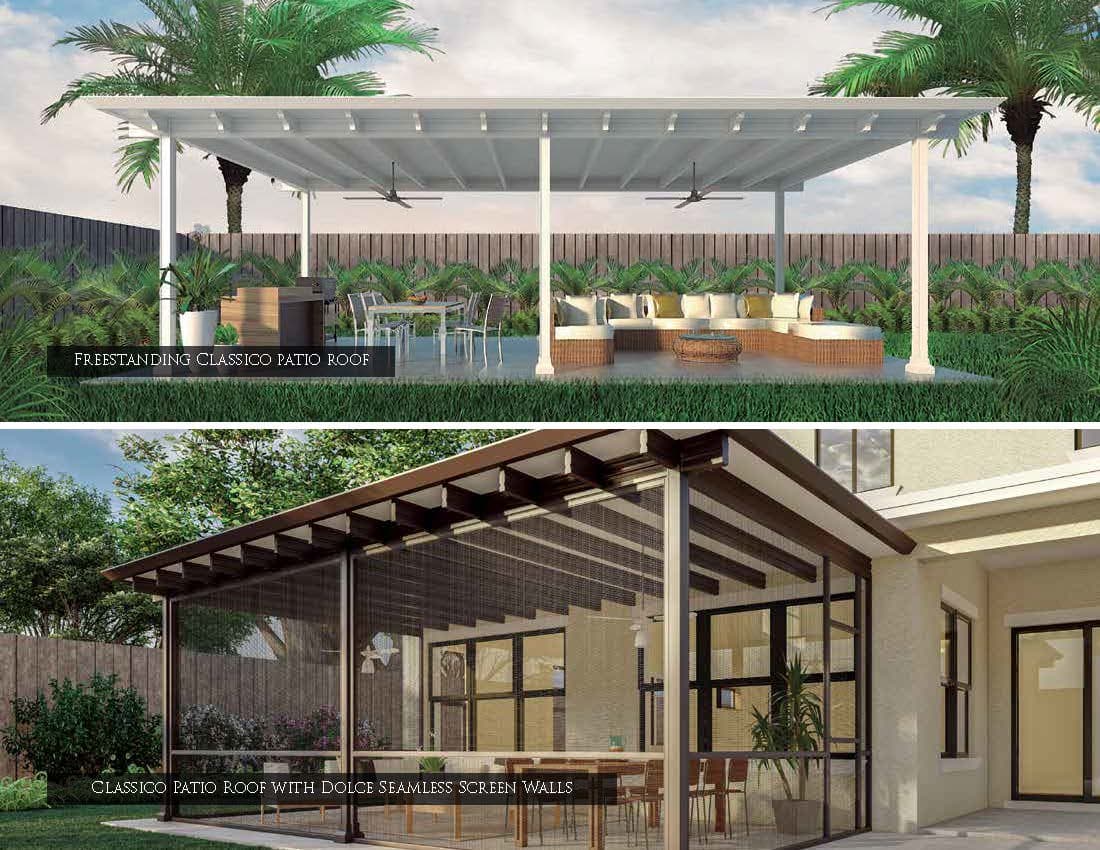
Renaissance Patio covering systems offer excellent solutions for converting open patios. These engineered aluminum structures provide hurricane-strength overhead protection with multiple style options including Moderno's modern aesthetic, Contempo's decorative appeal, and Classico's traditional elegance.
Expanding Existing Patio Footprints
Increasing patio size accommodates growing families or expanded entertainment needs. Expansion projects require matching new construction with existing materials and finishes, ensuring structural integration between old and new sections, maintaining consistent floor levels and drainage, and complying with setback requirements for enlarged footprint.
Perfect matching of new and existing materials proves challenging, particularly with aged materials no longer manufactured or natural materials showing weathering. Consider whether slight mismatches are acceptable or if comprehensive refinishing creating uniform appearance justifies additional expense.
Expansions provide opportunities to address existing deficiencies. If original patio has drainage problems or structural concerns, address them during expansion rather than perpetuating issues into enlarged space.
Adding Screen Rooms or Sunroom Enclosures
Enclosing existing covered patios creates bug-free outdoor rooms or climate-controlled sunrooms extending living space. These additions require structural assessment ensuring existing structures can support enclosure loads and wind resistance requirements, adequate foundation for supporting screen or window wall systems, integration with existing roofing maintaining weather-tightness, and potentially additional electrical work for convenience outlets and fans.
The Dolce screen room system from Renaissance Patio provides elegant solution for enclosing existing Renaissance Patio covered structures. With concealed fasteners and clean lines, Dolce creates sophisticated screening that complements the aluminum patio systems while providing insect protection and additional privacy.
Full sunroom enclosures with glass or acrylic windows transform patios into climate-controlled spaces usable year-round. These substantial additions typically cost more than screen rooms but deliver complete weather protection and potentially increase home values more significantly.
Managing the Remodeling Process Successfully
Effective project management ensures remodeling proceeds smoothly despite inherent renovation challenges.
Preparing for Construction Disruption
Patio remodeling disrupts outdoor space use and creates noise, dust, and contractor traffic. Prepare by relocating outdoor furniture and accessories to protected storage, establishing alternative outdoor activity locations during construction, communicating with neighbors about construction schedule and potential disruptions, and arranging pet containment preventing escape or stress from construction activity.
Demolition and structural work generate significant noise during business hours. If you work from home or have specific noise concerns, discuss scheduling with contractors to minimize conflicts.
Dust and debris are inevitable. Protect nearby areas, cover pools if adjacent to construction, and expect increased cleaning needs around work zones.
Monitoring Progress and Quality
Stay engaged throughout construction without micromanaging contractors. Visit regularly to observe progress, ask questions about methods or materials, and address concerns promptly. However, trust contractors' expertise on construction techniques and detailed execution.
Key quality checkpoints include structural repairs or modifications properly executed, new construction properly integrated with existing elements, drainage functioning as designed, finishes matching specifications, and overall workmanship meeting professional standards.
Document progress through photos tracking major milestones. This documentation proves valuable for warranty purposes and provides records of concealed work like structural repairs or utility installations.
Handling Unexpected Discoveries
Remodeling projects frequently encounter unexpected conditions discovered only after demolition begins. Stay calm and collaborate with contractors on solutions when surprises emerge. Additional work or modifications may be necessary, but experienced contractors minimize impacts through creative problem-solving.
Maintain contingency budget reserves specifically for addressing unexpected conditions. This financial cushion prevents surprise costs from derailing projects or forcing undesirable compromises.
Review change orders carefully before approving additional work. Understand what unexpected conditions require attention versus what represents contractor errors or oversights. Legitimate unexpected conditions warrant change orders, but contractors should absorb costs for mistakes in their planning or execution.
Maximizing Your Remodeling Investment
Strategic approaches help maximize value from patio remodeling projects.
Balancing DIY and Professional Work
Homeowners can handle some remodeling tasks reducing overall costs while leaving complex or critical work to professionals. Suitable DIY tasks for capable homeowners include demolition and debris removal, basic cleaning and prep work, painting and finishing, simple landscaping, and furniture assembly and installation.
Leave complex work to professionals including structural modifications and repairs, electrical and gas work, engineered system installation like Renaissance Patio products, roofing and weatherproofing, and work requiring permits and inspections.
Attempting professional-level work without adequate skills creates safety hazards and quality issues potentially costing more to correct than professional installation would have cost initially. Know your limitations and hire professionals for work beyond your capabilities.
Focusing on High-Impact Improvements
When budget constraints limit comprehensive remodeling, prioritize improvements delivering maximum impact on functionality and enjoyment. Addressing critical structural or safety issues, adding weather protection dramatically expanding usable seasons, improving lighting extending usable hours, and fixing drainage problems preventing patio use typically provide better returns than purely cosmetic updates.
High-impact improvements transform how you use your patio rather than just how it looks. Functionality improvements often justify higher priority than aesthetic upgrades when budgets require prioritization.
Considering Long-Term Value
Evaluate remodeling decisions based on long-term value rather than just initial costs. Quality materials and professional installation cost more upfront but deliver better value through extended lifespan, reduced maintenance requirements, superior performance, and enhanced property values.
Renaissance Patio aluminum systems exemplify long-term value. While initial costs exceed basic wood replacements, the maintenance-free powder coat finishes, superior durability, and engineered strength deliver decades of reliable performance without ongoing finishing expenses or deterioration concerns plaguing wood structures.
Achieving Remodeling Success
Successful patio remodeling combines careful planning, quality materials, experienced contractors, and informed decision-making throughout the process. Homeowners who follow proven best practices while avoiding common pitfalls enjoy smooth projects delivering outdoor spaces that enhance their homes and lifestyles for years to come.
At Tivey Construction, our experience with hundreds of patio remodeling projects has taught us what works and what to avoid. We bring this expertise to every project, guiding clients through decisions, managing construction professionally, and delivering results that exceed expectations. Our commitment to quality craftsmanship and clear communication ensures your remodeling project succeeds from initial consultation through final completion.
If you're contemplating patio remodeling, we welcome the opportunity to assess your existing space and discuss transformation possibilities. Our thorough approach identifies opportunities and challenges early, providing realistic expectations and comprehensive solutions. Contact Tivey Construction today to begin your patio remodeling journey—let us help you avoid common pitfalls while creating the outdoor living space you've been dreaming of.
Ready when you are.
Tell me about your project — you'll see your real budget range mid-flow, and I'll call within 24 hours. No spam, no call center, just me.